Sake eyes
| Program | Available | Location | Minimum Participants | Detail | |||||
|---|---|---|---|---|---|---|---|---|---|
| Budda bar | All the year | Central Kyoto | |||||||
| Sake in Tamba | All the year | Around Kyoto | 2 | We can arrange a variety of experiences. In the past, we have offered sake marketing courses for university students, overnight sake brewing experiences, vintage sake tastings, and creating your own original sake. | |||||
| Sake in Kyoto | All the | Around Kyoto | 2 | Experience hospitality at a guest house owned by a long-established sake brewing company in Kyoto | |||||
| Kasuga Primeval Forest | All the year | Around Kyoto | 2 | Walking in the primeval forest and the highlight is the experience of sake brewed with water from the primeval forest. | |||||
| Sake in Shizuoka | All the year | Central Shizuoka | 2 | ||||||
These are just a few examples. Please contact us for more details

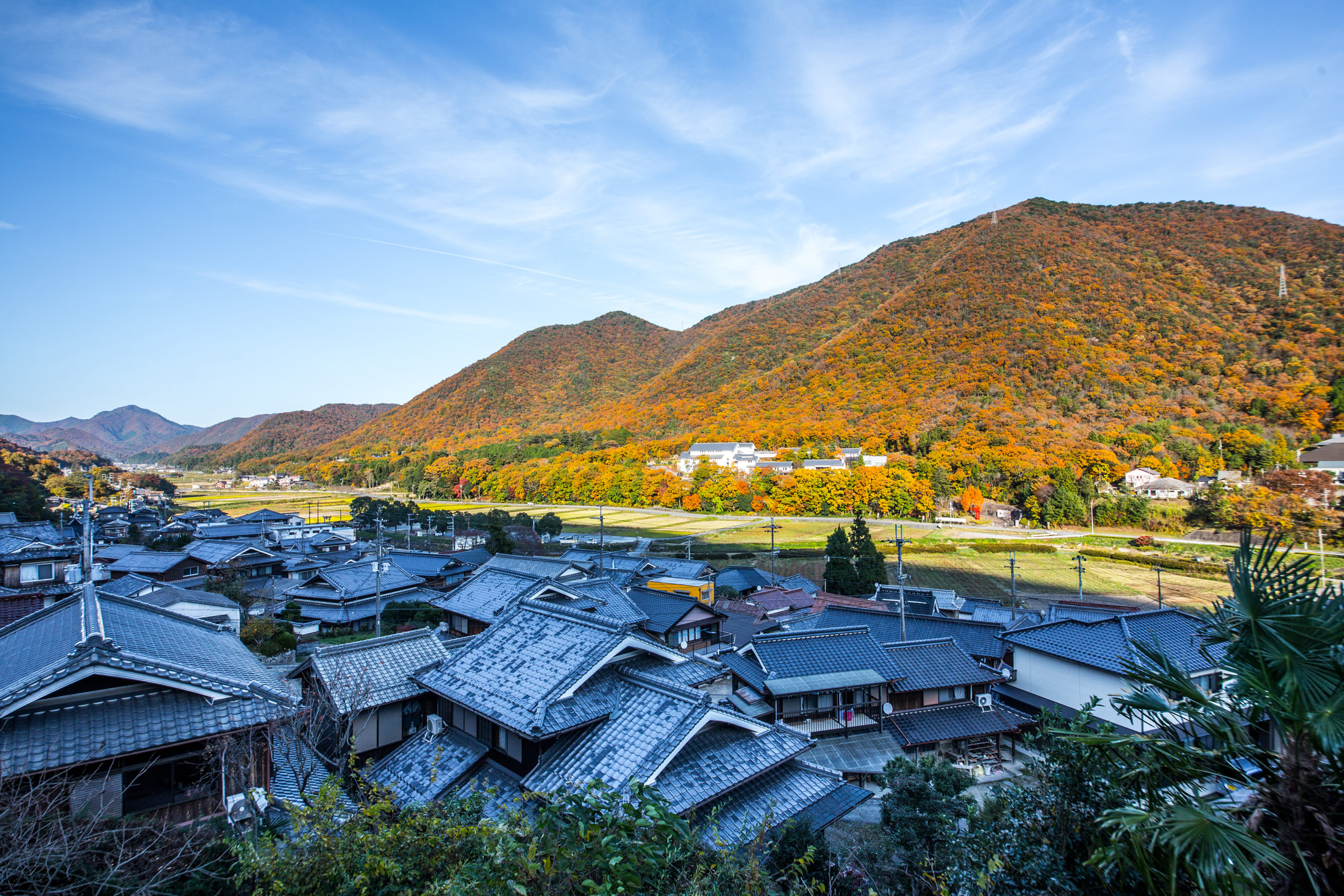
Inaka
Brewery regions are very pretty around now, so green and lush, and brewery people are nice. Sake breweries make Sake ,especially premium from Yamadanishiki ,a rice grown in Hyogo. There’s certainly nothing wrong with that, but when we visit a brewery in, part of the fun of the visit is tasting Sake made from rice grown in the province , near where we’re standing.
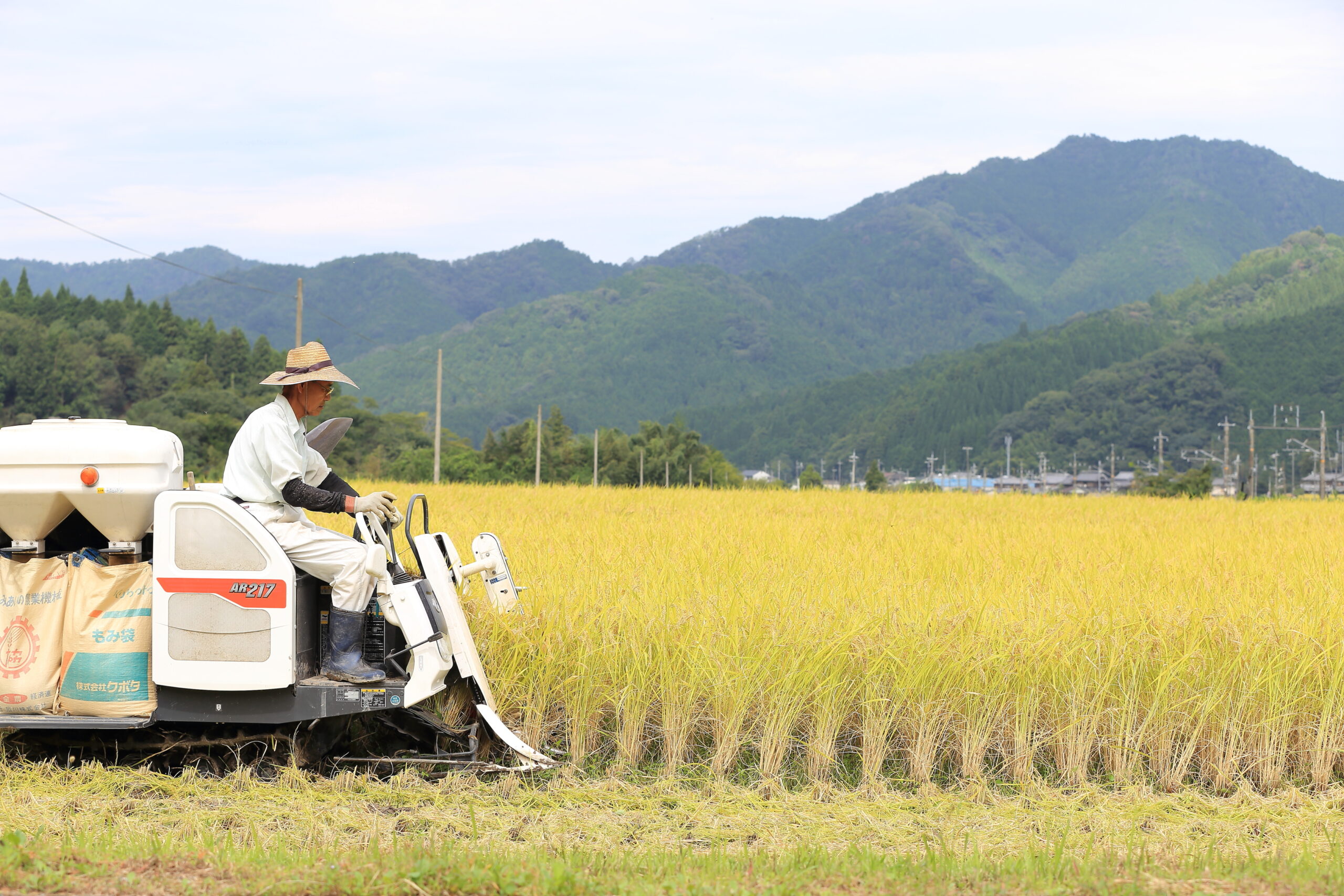
Rice
Same as wine the Sake production starts after the harvest. Plenty of rain in early summer and dry weather in late summer to autumn is suitable for rice production. Rice is placed on the straight line that creates a fantastic view from train and bus.
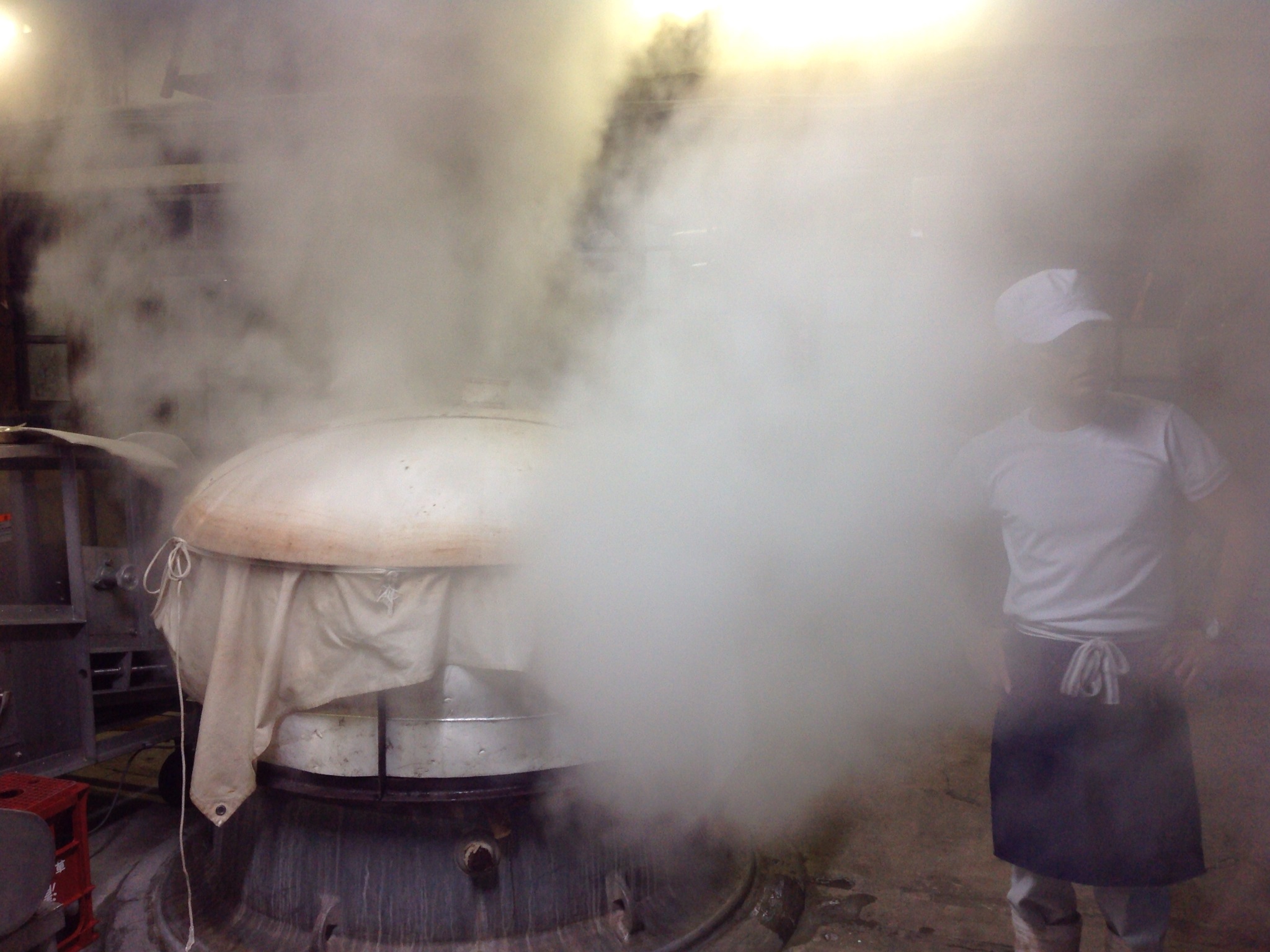
Winter
Sake brewing is best suited for the winter months when the temperature drops, and the work is done with careful attention to temperature and moisture. In the old style, the toji performs a rhythmic process called “kaiire, Kaiei、stirring of fermention mash ,
to the tune of a traditional song.The prepared sake is shipped out about a month later.
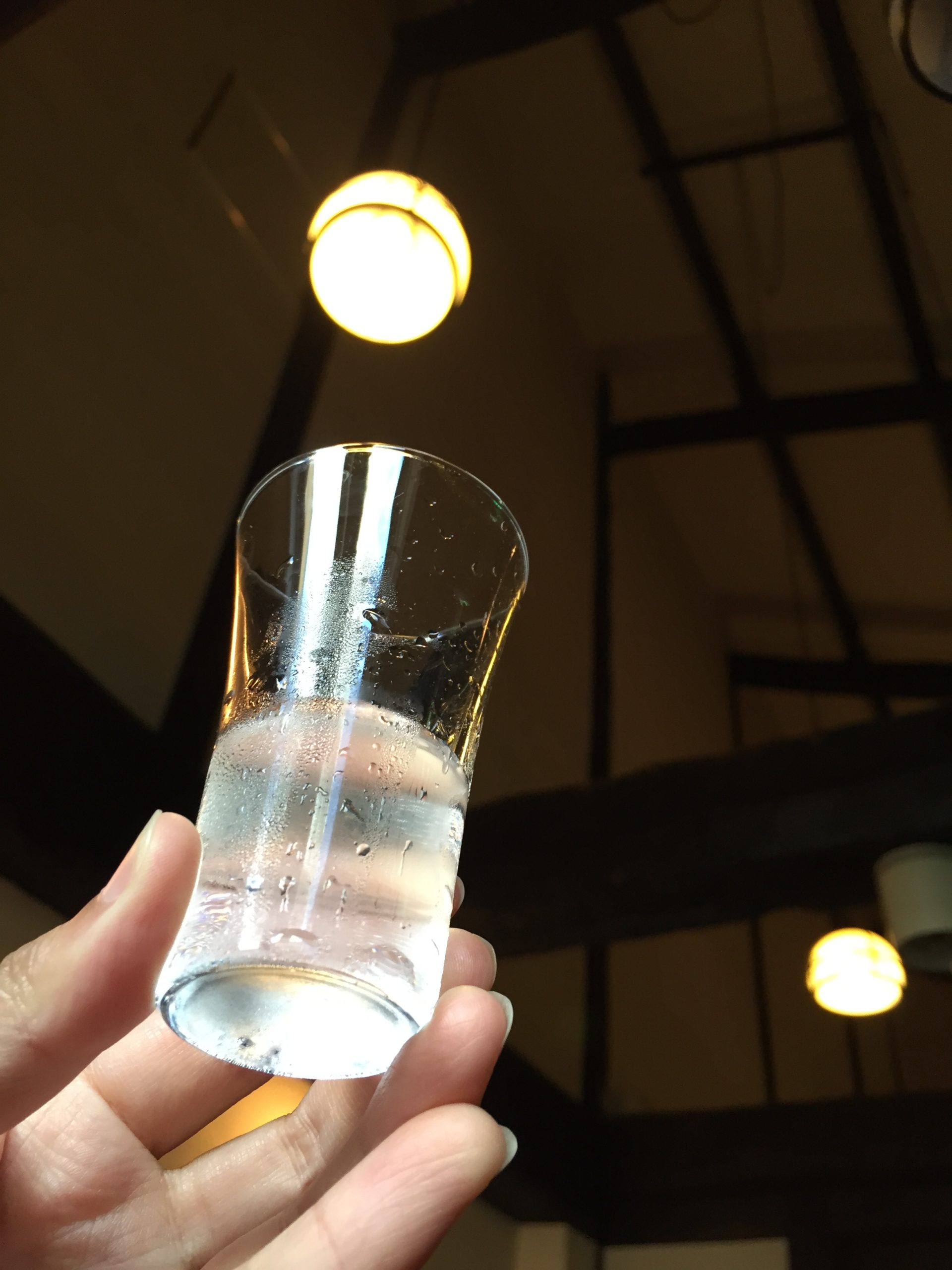
Water
Most Sake breweries have their own water source.Water is most important ingredient affecting sake quality and Eighty percent of sake is made up of water. This brewery own a well which is dressed up like a Shrine. Their gratitude to water is well expressed here. Their low mineral water ,called soft water, gives a smooth and clear Sake taste
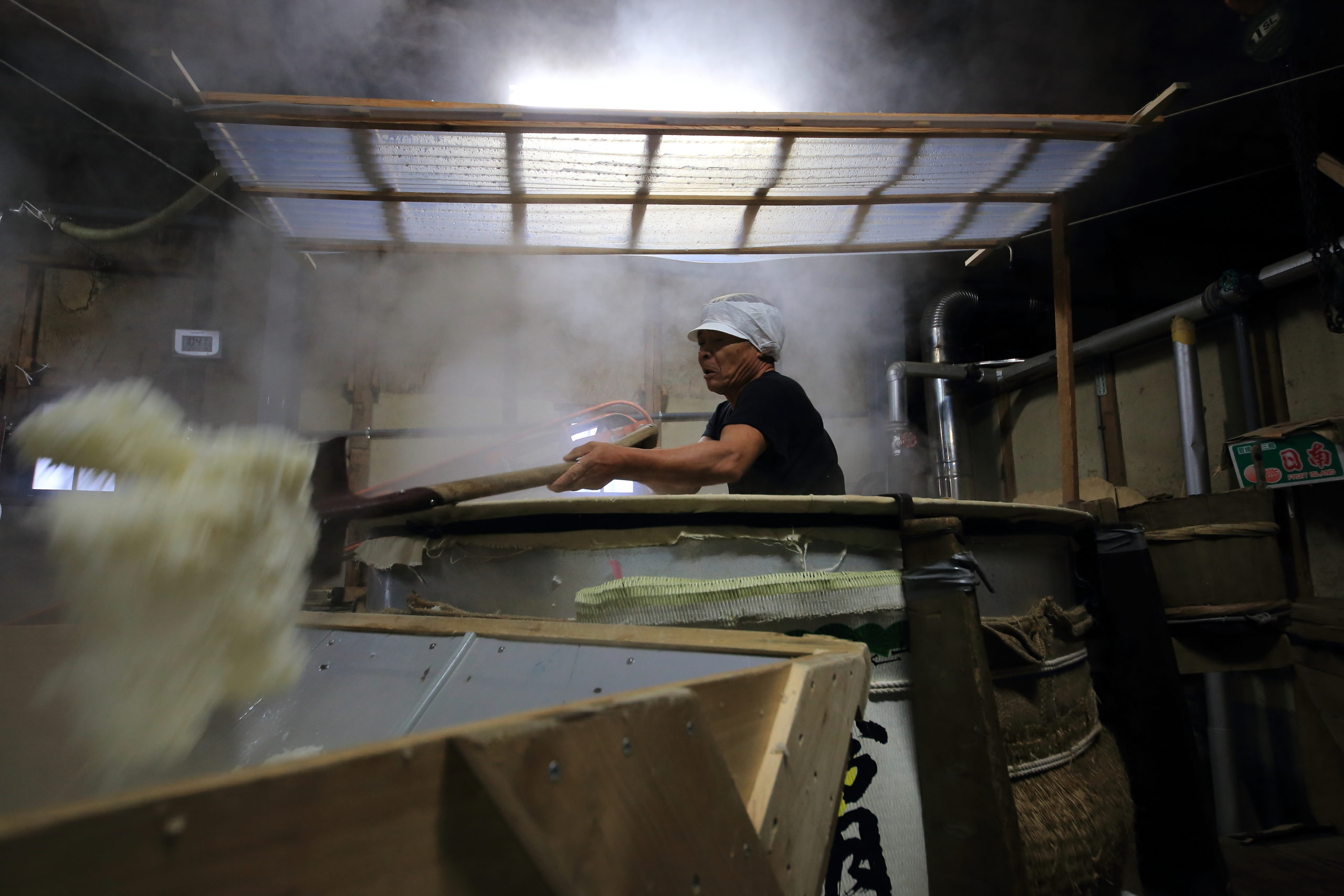
Toji
The toji is responsible for the management of the factory, the handling of ingredients, and the process of sake brewing.
Sake was historically made by seasonal workers during the off-season, and part-time toji ,
seasonal toji were the norm. Since the rapid economic growth period following World War II, social conditions have changed dramatically, and the number of full-time “yearly toji” has increased, either by hiring employees or by having the manager take on additional duties himself. In the 2019 survey, the average age of the part-time Toji was 62 years old and the full-time was 49 years old. My impression is that there are more and more young Toji in recent years.
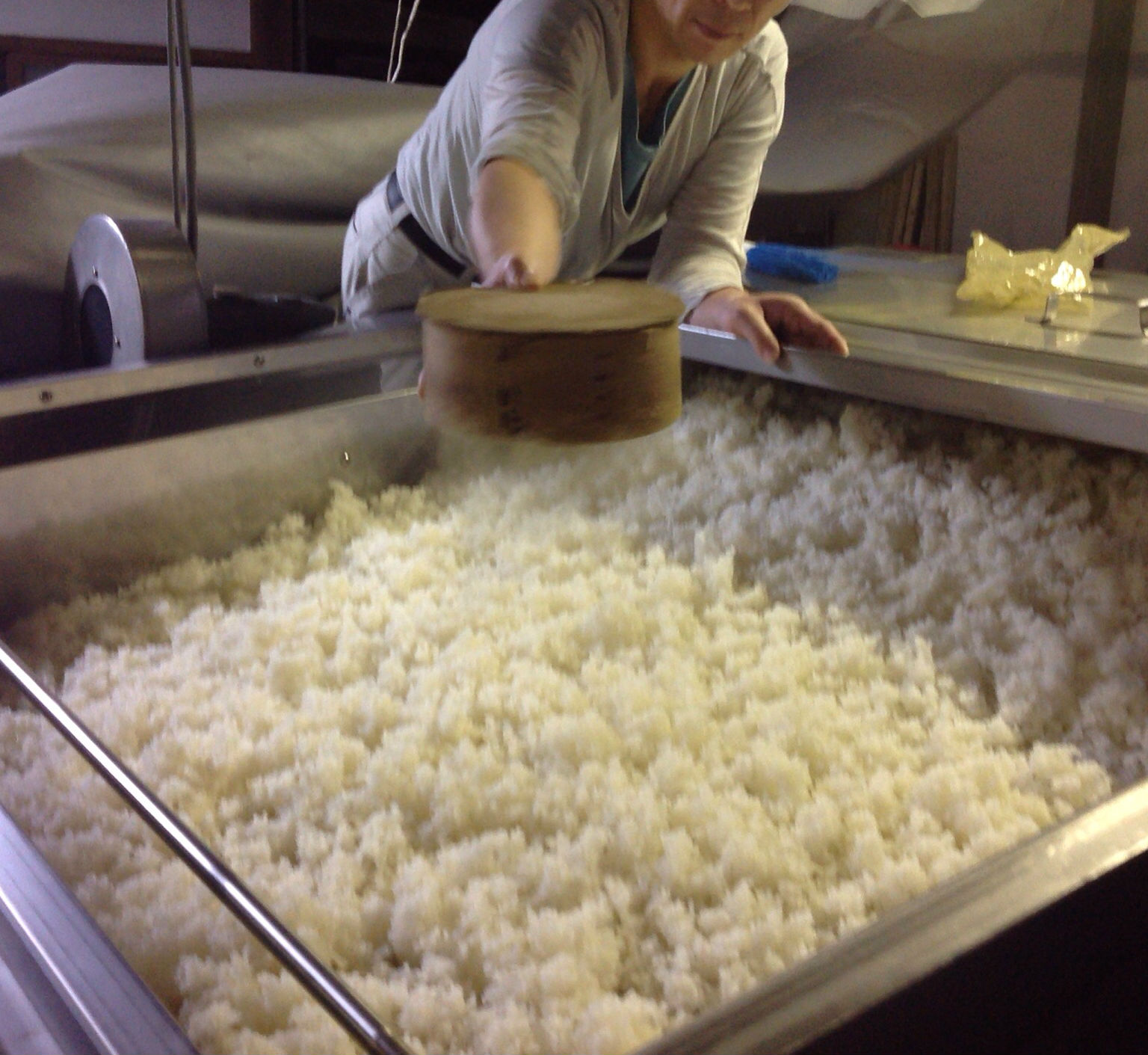
Fermentation
yeast breaks down sugar into alcohol and carbon dioxide whose gas bubbles out of the fermenting solution into the air leaving a mixture of ethanol and water.In making bread, the yeast is mixed with the dough and kept warm. The carbon dioxide produced by fermentation makes the bread dough rise and the alcohol evaporates.
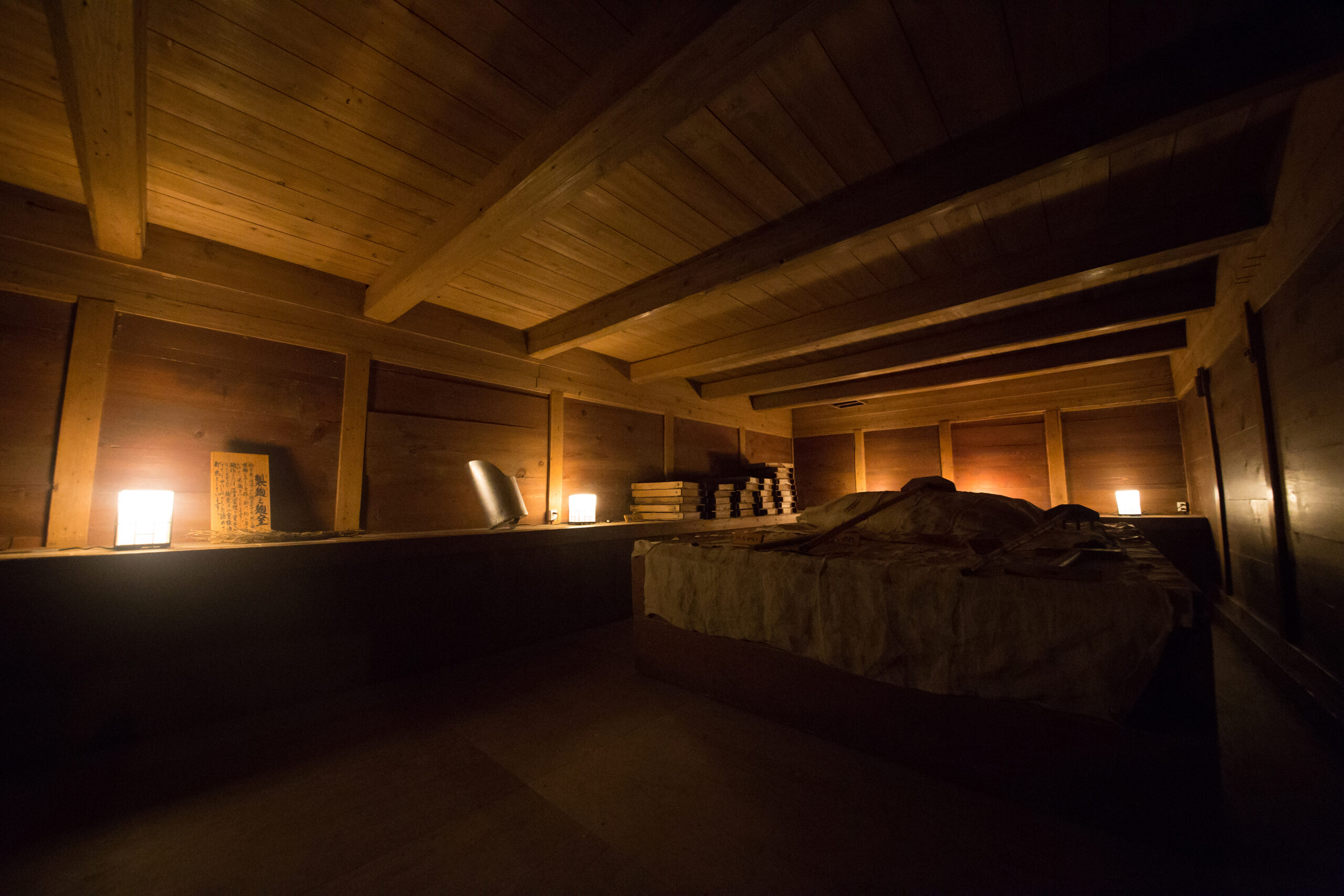
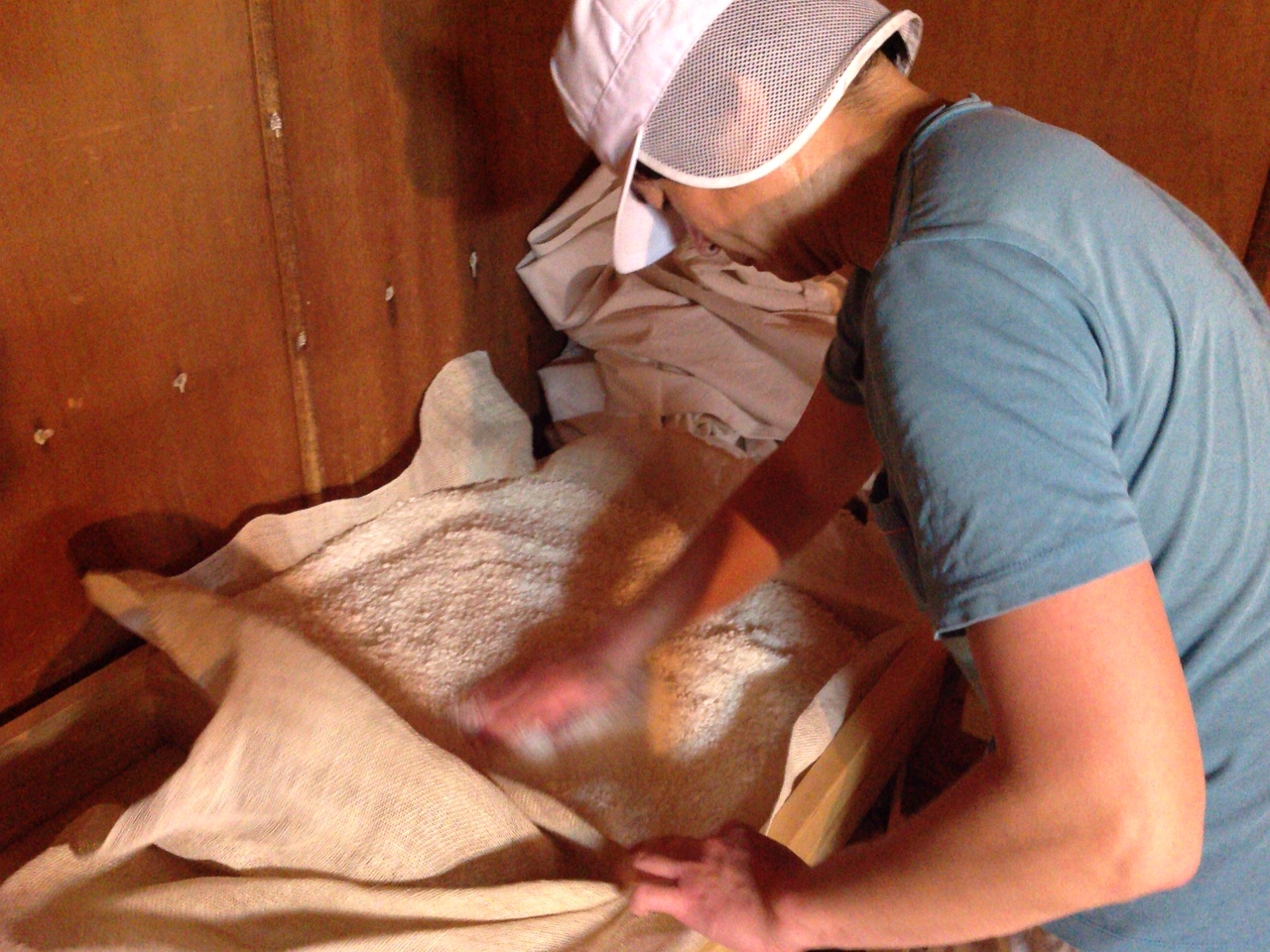
koji muro
scene from at koji muro room to increase the number of Koji spores. . Generally Sake is made primarily in winter season , however koji mold (Aspergillus oryzae) grows at 30°C-40°C and requires suitable humidity levels. koji muro room is a space separated from the outside.
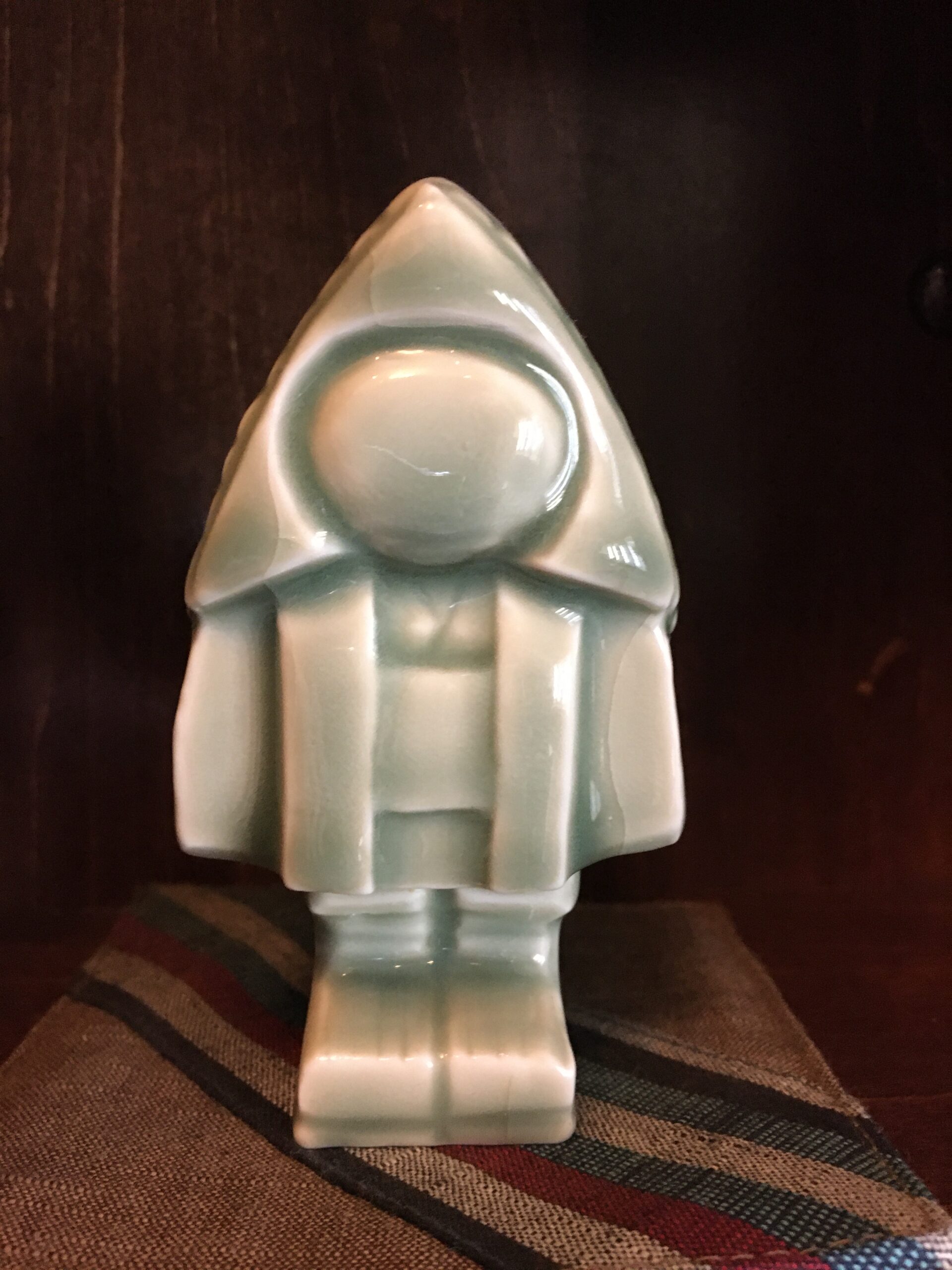
Tokkuri
A tokkuri is more than a simple ceramic bottle—it is a quiet storyteller from Japan’s sake history. Traditionally, these vessels were lent out by local sake merchants, each one bearing the shop’s name boldly brushed in calligraphic characters. They traveled from household to household, from celebrations to everyday tables, carrying not only sake but also a sense of connection to the community and to the brewer who crafted the spirit within.
Over the years, these tokkuri came to reflect the personality of the shop and the era in which they were used: some display dynamic, sweeping brush strokes; others have gently faded ink that hints at decades of handling. The clay, the glaze, and even the subtle imperfections each speak to the craftsmanship of their time. For those who love sake, discovering an old tokkuri in a brewery is like opening a window to another century—suddenly, you can imagine the merchants who lent them out, the customers who carried them home, and the countless gatherings where they were filled and refilled with local brews.
During a brewery visit, stumbling upon one of these aged bottles becomes one of the greatest joys. It is a reminder that sake is not just a drink but a living tradition shaped by human hands, everyday life, and the passage of time. To hold an old tokkuri is to touch a fragment of history—an object that has quietly witnessed the evolution of Japanese brewing culture.
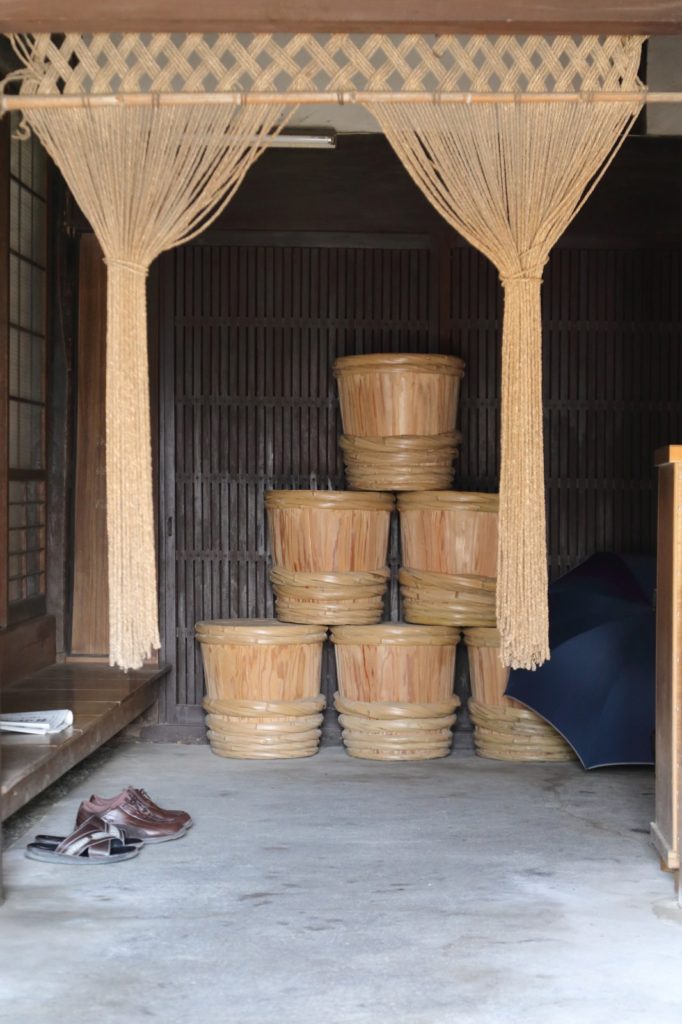
Celebration
Kagami-biraki celebration is the action of breaking the lid of a sake barrel with a wooden hammer and the sake is served to everyone present. the act of breaking open a sake barrel marks the start of something new. the start of this coming May countless you can see broken Sake barrels because With the abdication of the current Emperor on April 30, 2019, the era of Heisei will end and a new era ”Reiwa” will begin. In Japan, you can see displaying piled barrels of sake. it is also a celebration. the wooden barrel factories should be jazzed now.
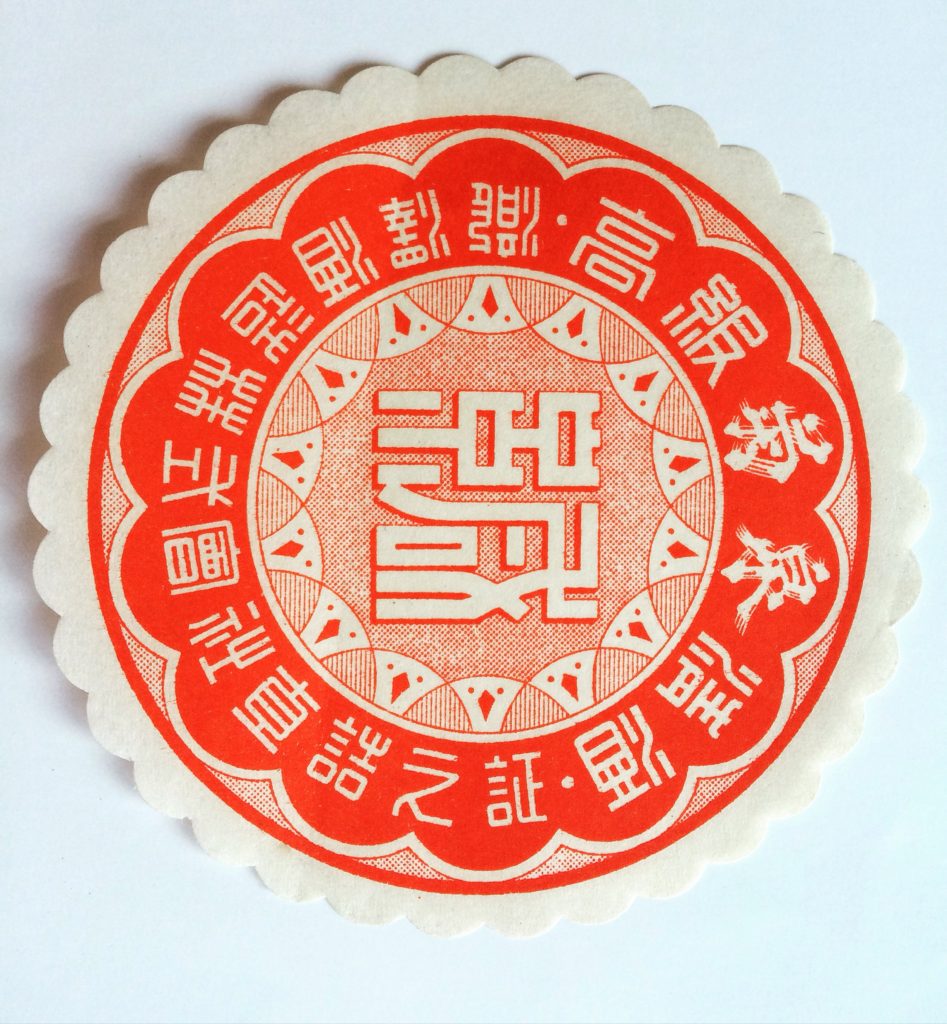


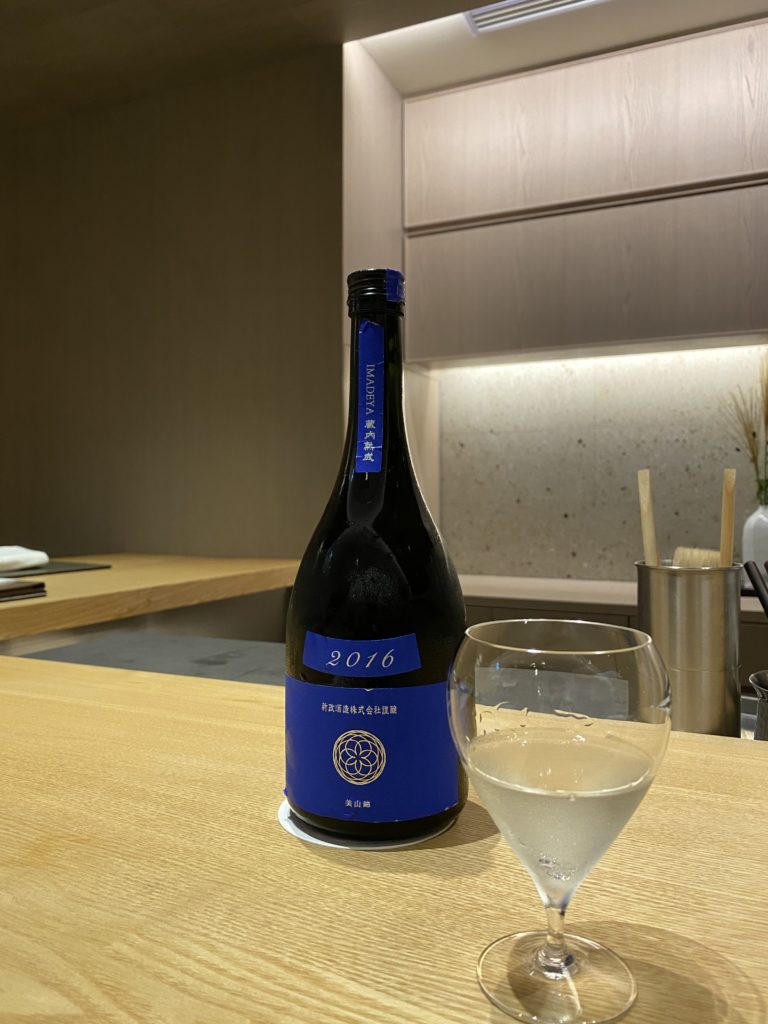
Label
The label of a sake bottle serves as its storefront—an elegant invitation that reveals the spirit’s identity before the cork is ever pulled. More than simple packaging, it is a canvas where breweries express their philosophy, pride, and lineage. Some labels feature minimalist calligraphy, others bold family crests or intricate patterns inspired by regional landscapes. Each design choice reflects the brewer’s intention: to communicate not only flavor, but also the story behind the sake.
These labels have evolved over centuries, shaped by changing aesthetics, printing techniques, and local artistic traditions. In older breweries, you may find labels printed from hand-carved woodblocks, their texture slightly raised under the fingertips. Others display masterful brushwork created by renowned calligraphers, each stroke infused with energy and craftsmanship. Even the paper itself—whether thick and fibrous or delicately smooth—speaks to the era and region in which it was made.
Encountering vintage labels during a brewery visit is one of the quiet pleasures for any sake enthusiast. To see them up close, to feel the weight of the paper, or to notice the subtle fading of ink is like touching a preserved moment in time. These labels tell stories: of merchants who once displayed them proudly, of community celebrations, of batches brewed by generations past. They are artifacts of sake culture, capturing the intersection of art, craft, and history.
To appreciate sake labels is to appreciate the soul of the brewery itself. Each one is a small work of design and memory—a visual gateway that deepens the experience of savoring the drink within.
