Gift Creation

We believe that exceptional gifts must be born from a spirit of responsibility.
Our origins lie in a revitalization project that brought new life to an old sake brewery—a place whose traditional role had gradually faded with time. Breathing modern value into a space rich in history and craftsmanship taught us an enduring principle: to honor what already exists while shaping a thoughtful future. This experience continues to guide the foundation of our creative practice.
Building on this heritage, we are committed to minimizing our environmental impact through energy efficiency, responsible resource management, and proactive pollution prevention. From material selection to production processes and packaging design, we consistently integrate the principles of sustainability and low ecological impact. Our goal is to create gifts that are not only refined and meaningful, but also considerate of the world we share.
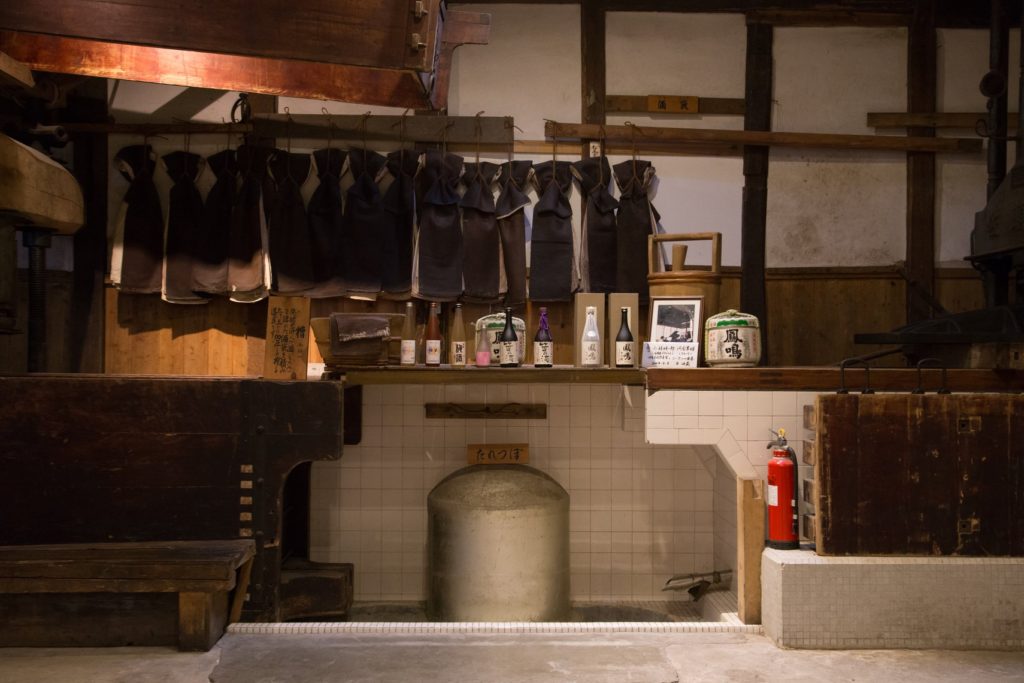
Sakebukuro
Various products
Among Japan’s traditional tools of sake craftsmanship, few objects carry the quiet dignity and historical depth of the sakebukuro—long cotton bags dyed with persimmon tannin, once essential to the hand-pressing stage of sake production. Decades ago, these bags played a vital role in separating clear sake from the mash during the labor-intensive pressing process. After pressing, the remaining sake kasu was removed, and the bags were carefully washed, repaired, and reused again and again.
Today, however, with the widespread adoption of mechanical presses, these woven cotton bags have almost entirely disappeared. What was once an indispensable tool is now seen primarily in museums—a relic of a bygone era.
It is precisely this rarity that gives the sakebukuro its cultural significance.
Through our independent network, we have succeeded in acquiring these rare, decades-old bags—each over fifty years old, each bearing subtle marks of use and the imprint of skilled hands. Rather than leaving them as forgotten artifacts, we chose to breathe new life into them.
We have transformed these vintage sake bags into premium, bespoke pieces, created exclusively for discerning clients who value authenticity, provenance, and narrative depth.
Each bag is meticulously cleaned, restored, and reworked, preserving the unique character imparted by time and tradition. The persimmon-tannin dye, mellowed and enriched over decades, gives every piece a warmth and individuality that cannot be reproduced today.
The result is not merely a product, but a cultural artifact reimagined—a tangible story of Japanese craftsmanship. Our sakebukuro creations revive the memory of traditional artisanship and deliver gifts that linger in the hearts of those who receive them. This is our mission: to honor heritage, transform overlooked materials into objects of value, and craft experiences that leave lasting impressions.
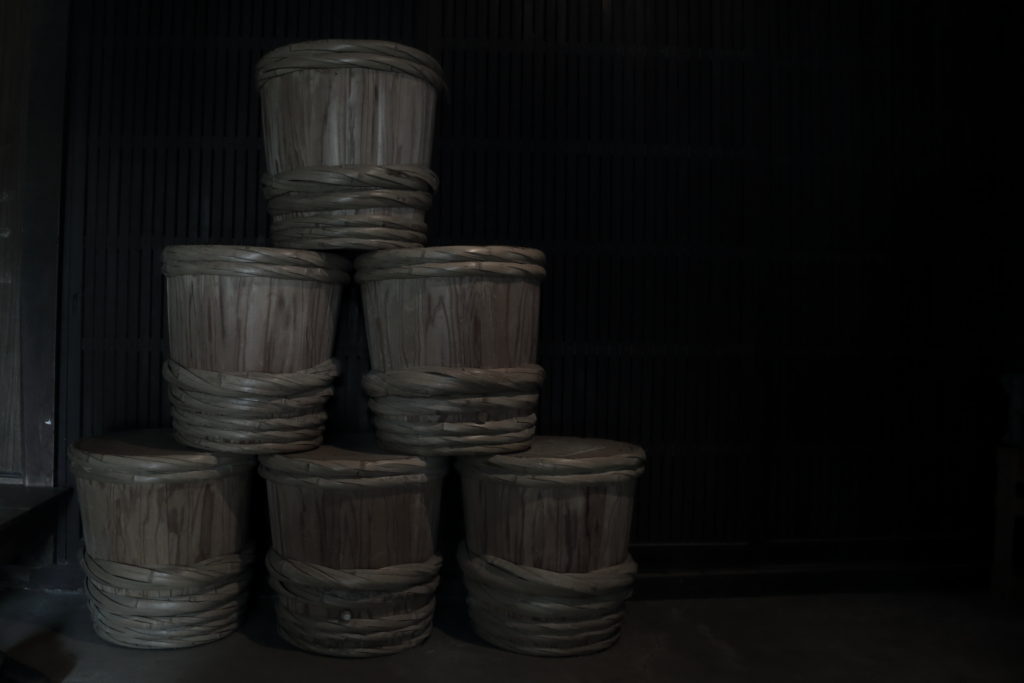
Yoshino Cedar
Chopsticks
The Yoshino Cedar Chopsticks, crafted from the finest cedar and Hinoki cypress, are celebrated for their immaculate form, graceful lines, rich aroma, and exquisite texture. Yet beyond their aesthetic and sensory appeal lies a story that connects deeply with Japan’s cultural and industrial heritage—particularly the history of sake production.
The origins of Yoshino Chopsticks trace back to the early Meiji Era in Yamato-Shimoichi, Yoshino. At that time, artisans observed that the high-grade cedar used in crafting tarumaru—traditional sake casks—often left behind fine scraps that were discarded. Rather than letting these precious remnants go to waste, they began transforming them into functional, beautiful chopsticks. In this way, the Yoshino Chopsticks industry was born, rooted in both practical ingenuity and a respect for natural resources.
For us, this project resonates profoundly. It embodies the principles at the heart of our work: honoring tradition, finding beauty and purpose in every material, and embracing sustainability by ensuring that nothing valuable is discarded. Each pair of chopsticks is more than a utensil—it is a tangible connection to centuries of craftsmanship, a tribute to the heritage of sake production, and a manifestation of mindful creation.
By bringing this tradition into the present, we offer not just a product but an experience—a story of skill, history, and environmental consciousness that can be shared with our clients. Every pair of Yoshino Cedar Chopsticks carries with it the memory of the forests, the hands of artisans, and the centuries-long dialogue between human ingenuity and nature. This project exemplifies our commitment to creating gifts that are meaningful, sustainable, and resonant with cultural significance.


Furoshiki Creation
Baggage
Since ancient times, Japan has cherished the cultural custom of wrapping objects in a rectangular cloth known as a furoshiki, transforming everyday items into portable, elegant parcels. Originating in the western capital, this practice embodies not only practicality but also an appreciation for aesthetics, care, and mindfulness in handling belongings.
With the relocation of the capital to Tokyo in the east, and under the influence of Western-style handbags, artisans began transforming the traditional furoshiki into a triangular bag, sewing pieces together in a way that preserves the cultural essence while offering modern functionality. This innovation allows users to enjoy the rich tradition of furoshiki without its historical limitation—the meticulous folding—while retaining all the convenience and versatility that make it invaluable.
Proudly made in Kyoto, each furoshiki bag carries the legacy of centuries of Japanese craftsmanship. By tying the left and right corners of the triangular section, the bag forms a practical handle, creating a beautifully simple yet fully functional accessory. It can be folded into a compact size, serving as a convenient spare bag when traveling, shopping, or going about daily life. This design bridges the elegance of tradition with the demands of modern living.
Beyond its practicality, the furoshiki bag embodies a sustainable philosophy. It transforms a simple cloth into a multifunctional accessory, encouraging reuse and minimizing waste—principles that align perfectly with our commitment to mindful, environmentally responsible creation. Every bag is not merely a product, but a tangible expression of Japanese culture, heritage, and ingenuity, reimagined for contemporary life.
This project exemplifies our dedication to creating items that are beautiful, functional, culturally significant, sustainably crafted, and proudly Made in Kyoto, allowing users to carry forward the spirit of Japanese tradition while embracing modern convenience.
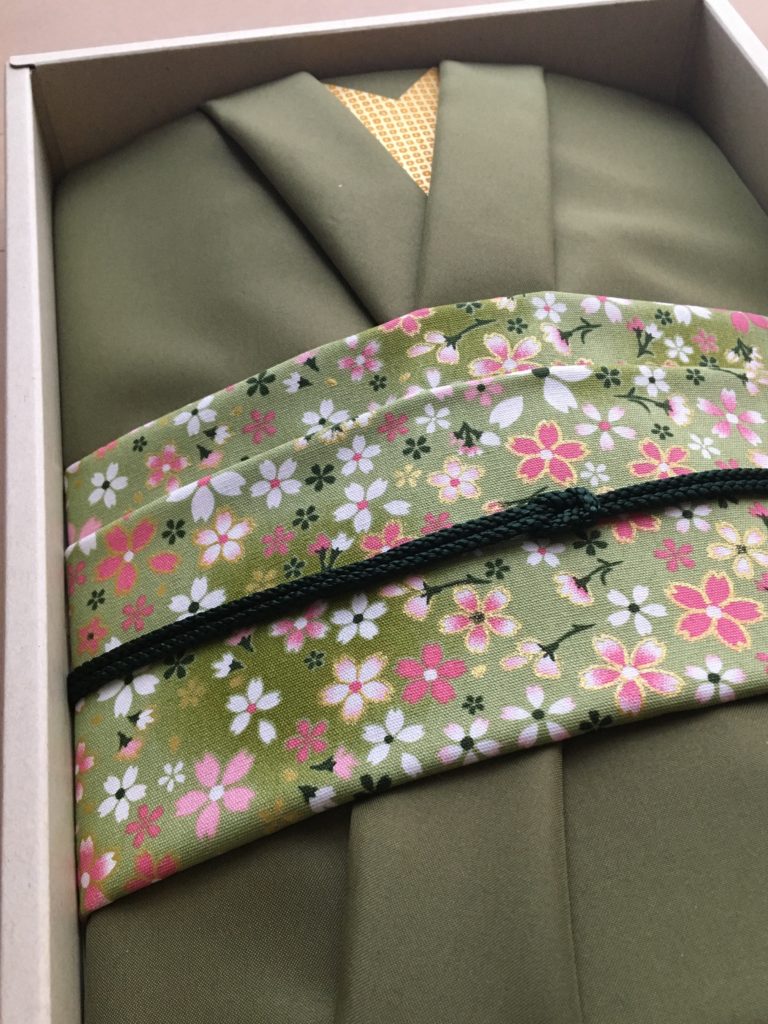
Furoshiki Creation
Kimono
At first glance, it may appear to be a traditional Japanese kimono, the iconic garment that embodies Japan’s elegance and aesthetic. Yet in truth, it is a masterful creation of folding a furoshiki, the traditional Japanese wrapping cloth, into the shape of a kimono. Each furoshiki is carefully selected for its patterns, colors, and fabric quality, and meticulously folded with precision, transforming a simple piece of cloth into a miniature work of art.
This creation embodies the essence of Japan’s unique “mitate” aesthetic, the practice of seeing everyday objects in new forms and giving them renewed value and meaning. Folding the furoshiki into a kimono is not merely a technical feat—it is a cultural expression that honors both the material and the deep traditions of Japan.
Perfect as a gift, this furoshiki kimono offers more than an object; it conveys the craftsmanship, history, and cultural narrative of Japan, along with its refined beauty and thoughtful artistry. Each piece carries a sense of sophistication, care, and cultural depth, leaving a lasting impression on those who receive it.
Whether displayed as an ornamental piece, used in ceremonial settings, or simply admired for its aesthetic beauty, the furoshiki kimono exemplifies the harmonious blend of Japanese tradition, mitate aesthetics, artistry, and the elegance of gift-giving. It is more than a product; it is a story of culture, carefully folded and presented as a truly exceptional gift from Japan
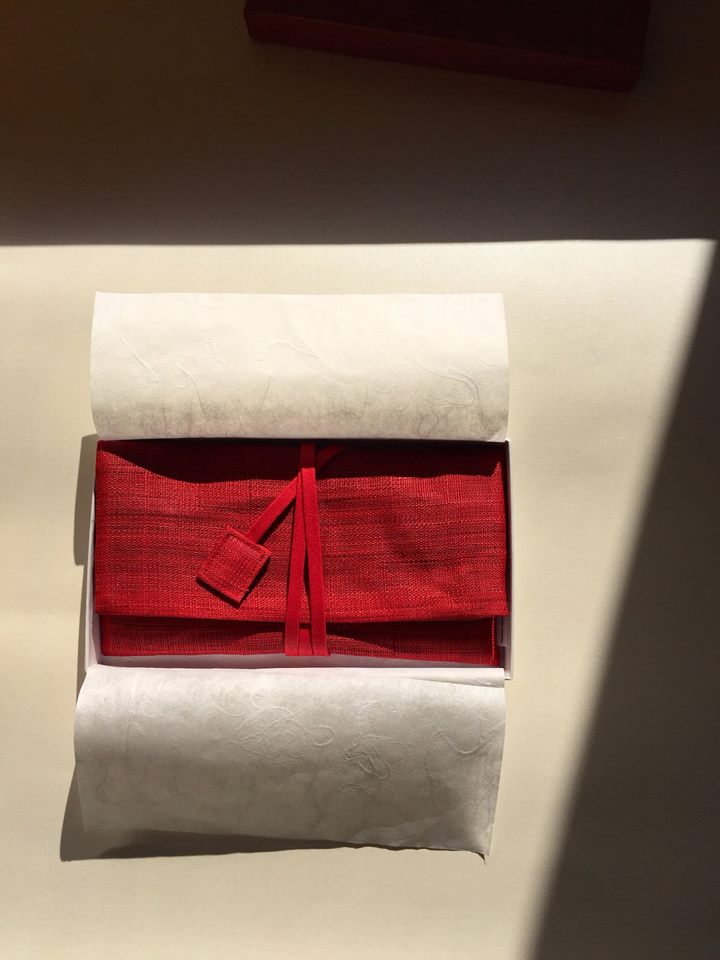
Hemp Creation
Baggage
Hemp is a highly breathable and durable natural fiber and has been loved by people as something familiar to them since the era when the capital was located in West Japan.Today, hemp is used to create a variety of items including seat covers for the Shinkansen (the “bullet train”). This hemp bag can be used for a wide range of purposes, including carrying your glasses, jewelry, or pens. There is a string attached to the bag. It is distinctive in that you can spread it out or roll it up like a scroll. Just like a scroll that a ninja would have held in his mouth.

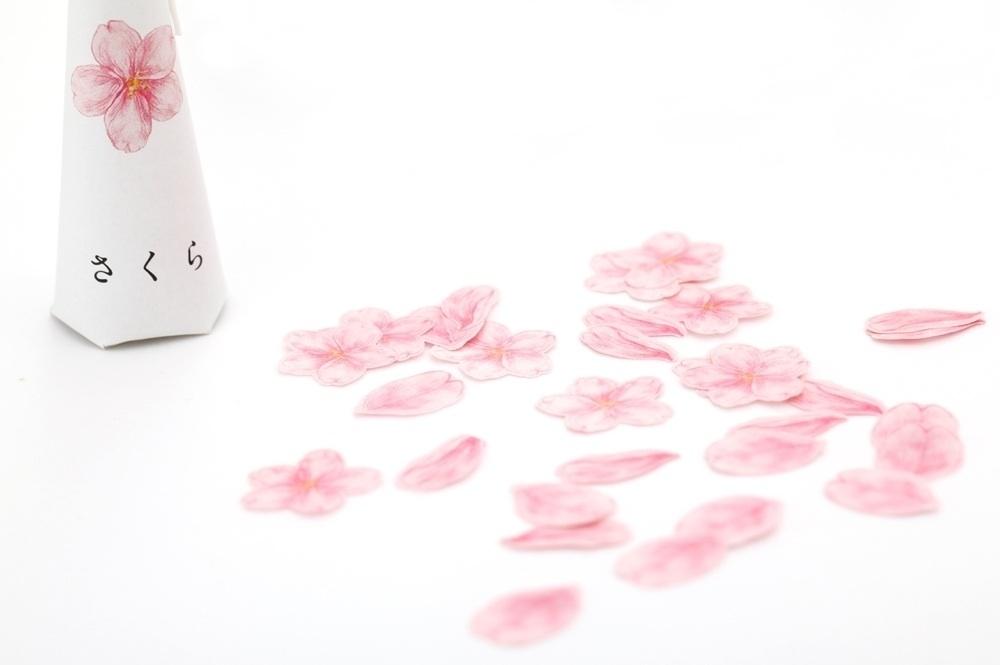
Four Seasons Cracker
Party Popper
is as the name suggests is Party Popper for special occasions! What makes it different from other poppers is that its packed with essence of Japan like “cherry blossom” “rain drop” “autumn fallen leaves” and “snow”…continue
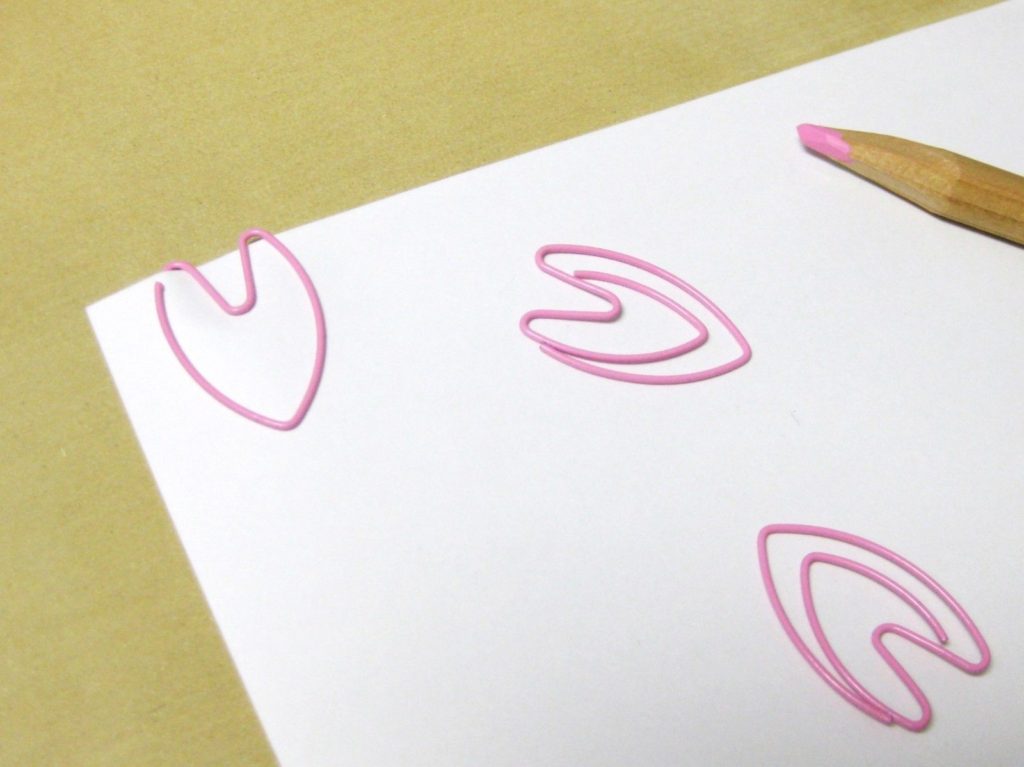
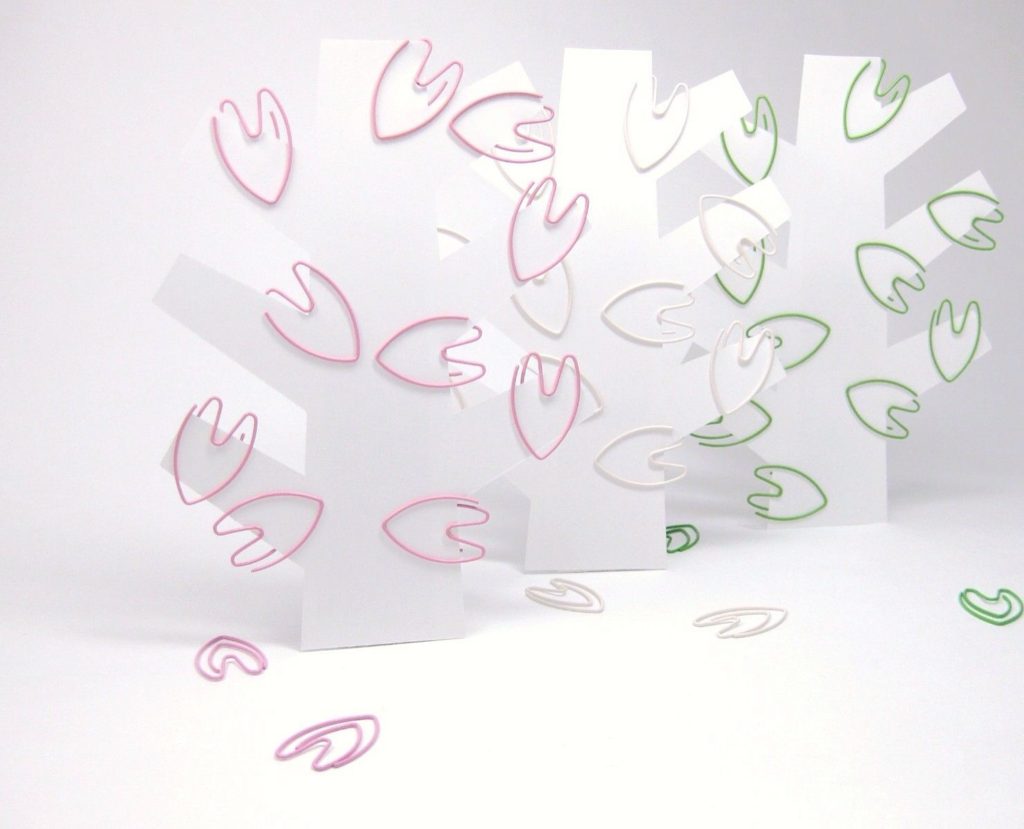
Sakura Creation
Clip
Flowers that blossom at important milestones Cherry blossoms are representative of Japanese flowers and have been a special flower since ancient times….continue

Mt.Fuji Creation
Envelope
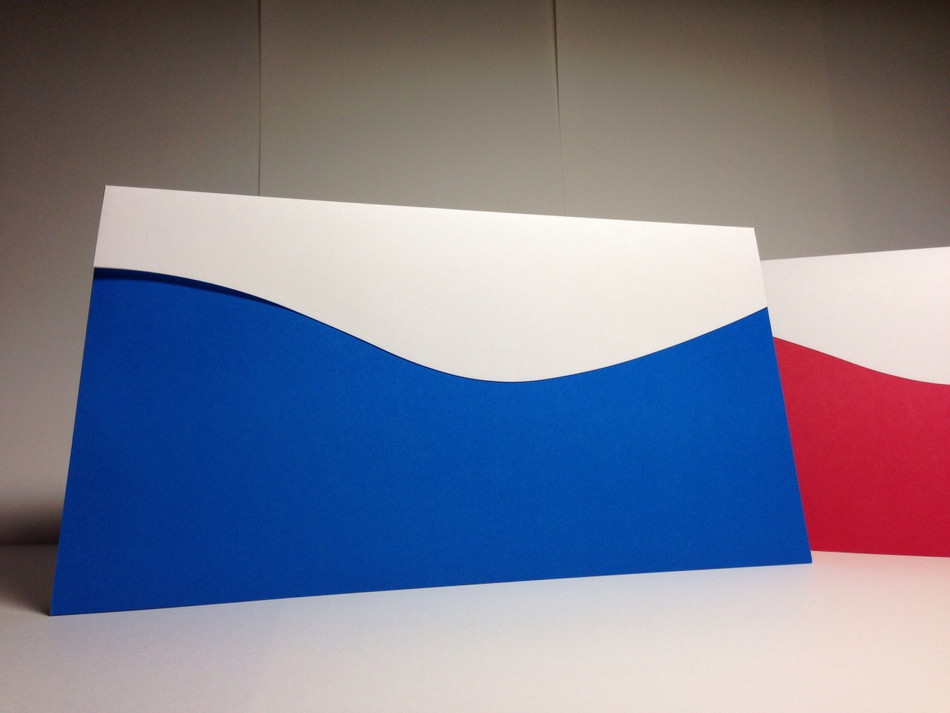
this is the first trapezoid envelope in the world.This product is an envelope – which is designed on
Mt.Fuji, one of Japanese largest icon and World Heritage Site ,motif. In addition to familiar Fuji which looks blue like sky, We designed Red Fuji which have a red appearance on a summer morning.
the red Fuji is considered good luck and a haiku (Japanese 17-syllable poem) seasonal word for summer…..continue
Welcome Kit
Various products
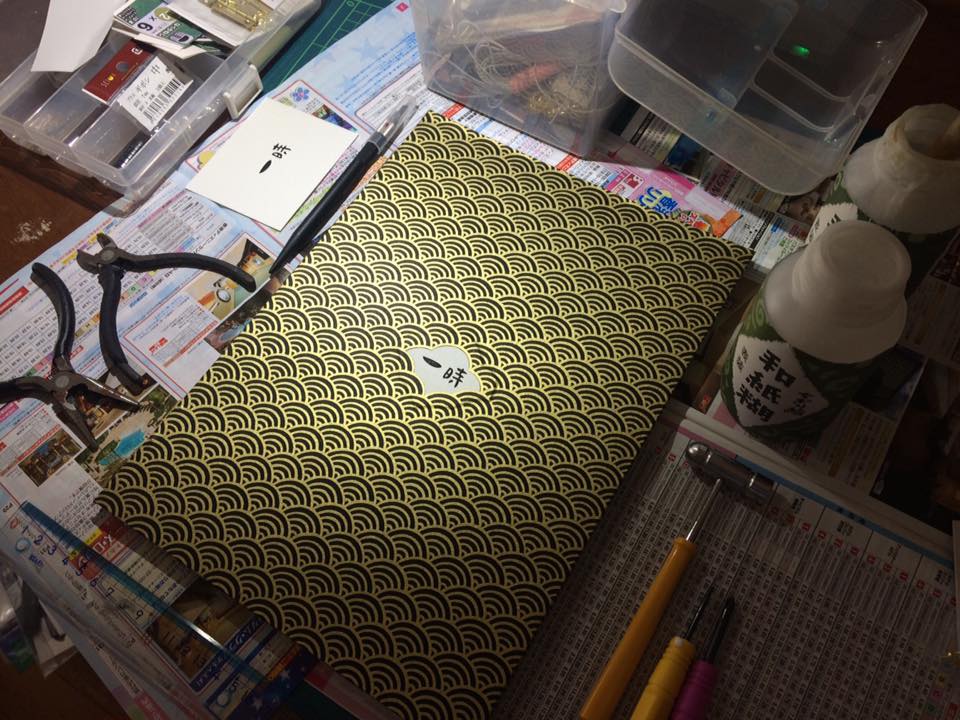
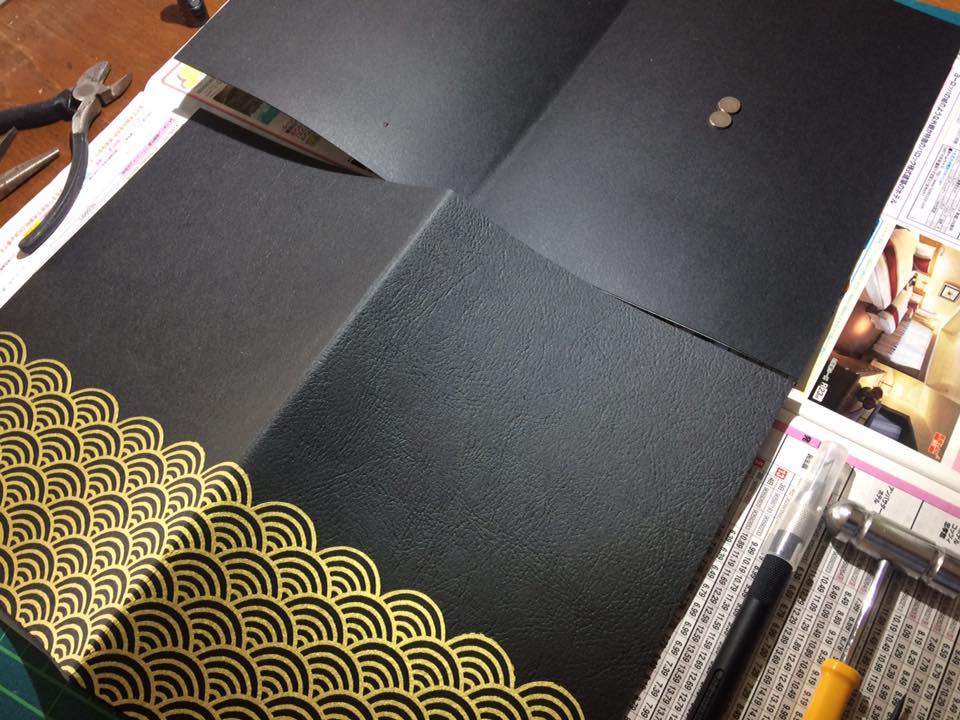
This is a fully-handmade welcome kit based on Seigaiha blue wave-pattern motifs that came to Japan from ancient Persia via the Silk Road. It is used by a luxury travel agency to pass files or bags containing travel itineraries, tickets, maps, and other things to especially important guests coming to Japan from Abroad . Everything—including the yuzen paper, gold brocade textile, and special tags—are masterpieces from Kyoto.
Daruma Creation
Masking Tapes
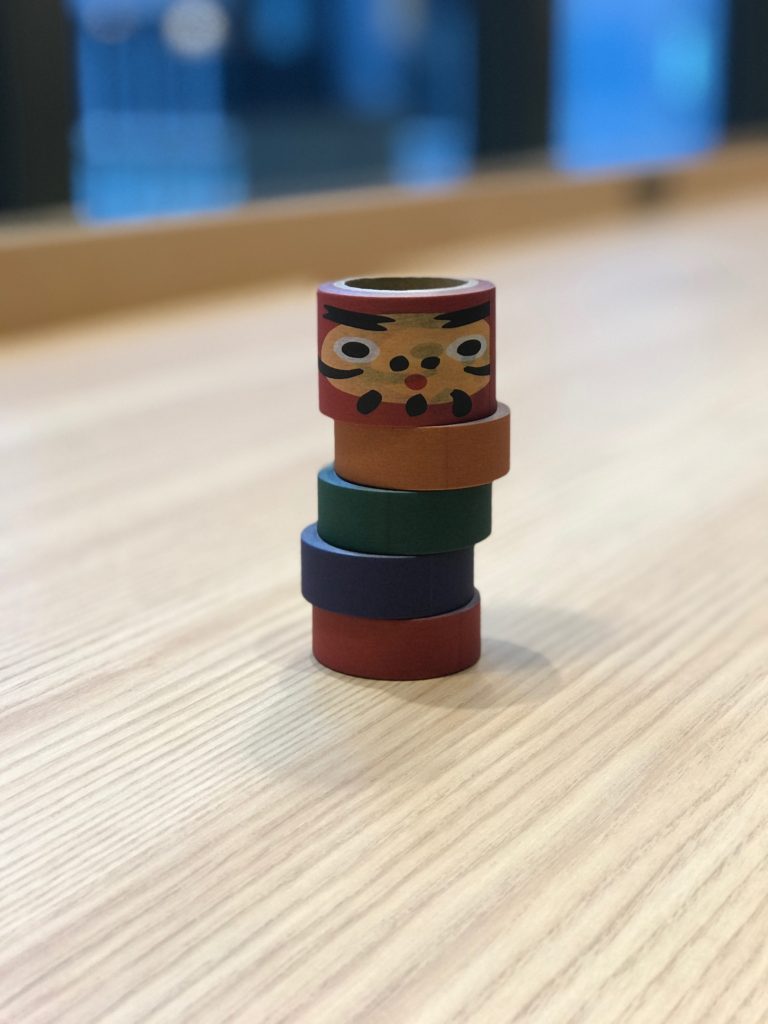
Daruma Otoshi is a traditional game played with a daruma doll in five pieces, usually in the colors of the rainbow, from top to bottom: head — a man’s face, blue, green, yellow, red. The game is played by using a small hammer to hit each of the colored pieces, from bottom to the top, without letting the pieces fall during the game.”…continue
Mt.Fuji Creation
Silverwork
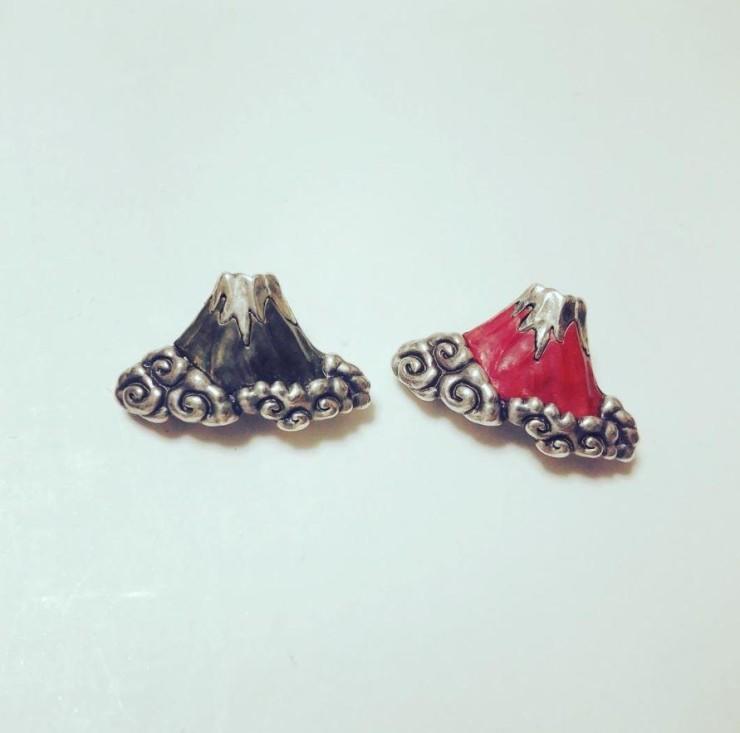
This is a silverwork (lapel pin) based on motifs of Mount Fuji made by Japanese metal engraving artisans. Using many techniques passed down from the Asuka period(6C to 8C), this beautiful product is a fascinating piece of work just by itself. It comes in three colors: Fuji (blue), red Fuji, and goldfish.
history
2019 Kamakurabori,a traditional Carving creation for a major hotel group
2017~
A gift for a travel agency specialized in Luxury customers.
2016
Chopsticks related to Sake industry gift for a travel company
2017,2016 ,2015
Silk and Linen gift for a hotel group.
Vintage Sake baggage gift for a travel company
Tabi Socks gift for a travel company
Mobile Fan gift for a travel company
